Demystifying Ecological Impact Assessments
Navigating the intersection of conservation and development with professional clarity.
What is an EIA and Why is it Necessary?
An Ecological Impact Assessment (EIA) is a formal process used to evaluate the potential environmental effects of a proposed development or project. Beyond being a statutory requirement for many planning applications, it is a moral commitment to the stewardship of our planet.
By identifying potential risks to flora, fauna, and local ecosystems, an EIA ensures that development doesn't come at the cost of irreparable biological loss. At Canopy Collective, we view the EIA not as a hurdle, but as a roadmap for sustainable growth.
The 4 Key Stages of an EIA
1. Screening
Determining whether a project requires an EIA based on its scale, location, and the sensitivity of the local environment. This initial filter prevents unnecessary bureaucracy for low-impact projects.
2. Scoping
Identifying exactly which ecological features (e.g., protected species, ancient woodlands) need to be studied. This ensures resources are focused on the most critical environmental risks.
3. Assessment
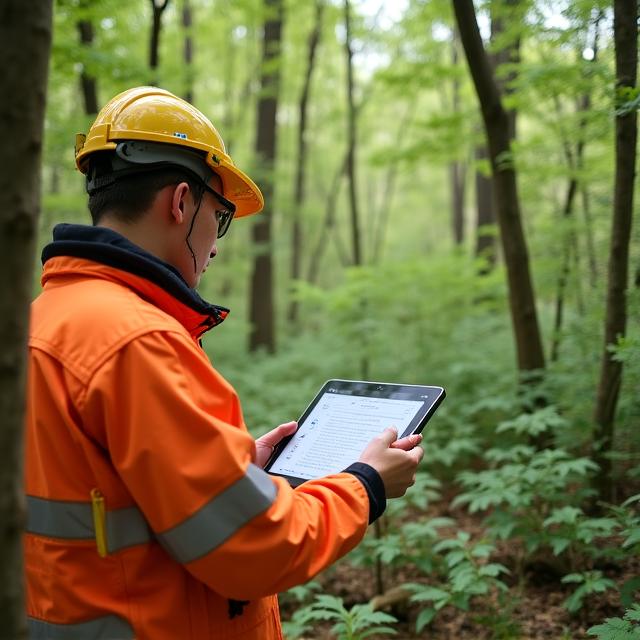
Rigorous field surveys and data analysis to quantify potential impacts. This is the scientific heart of the process, conducted by our expert ecologists.
4. Mitigation
Developing actionable strategies to avoid, reduce, or compensate for negative impacts, such as creating new habitats or adjusting construction timelines.
Best Practices: Early Integration
The most successful projects integrate ecological consulting from the very first sketch. Early planning allows for "designing-out" impacts, which is far more cost-effective than attempting to fix ecological conflicts after the master plan is finalized.
- Reduce planning delays by anticipating constraints.
- Enhance biodiversity value through strategic design.
Conclusion: Prevention is the Best Strategy
Comprehensive assessments prevent costly project delays and legal complications. By understanding the land before the first brick is laid, you protect both the environment and your investment.
Schedule an Initial Assessment